Process Automation
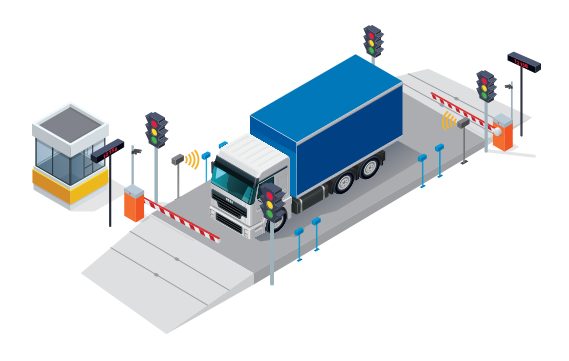
Process automation refers to the use of technology and software to automate the control and monitoring of industrial processes. In the context of weighbridges, process automation can involve the use of sensors, software, and other technology to automate the weighing process and optimize efficiency. One example of process automation in a weighbridge is the use of load cells and sensors to measure the weight of a vehicle as it passes over the weighbridge. This information can be sent to a control system, which can automate the process of weighing and recording data, eliminating the need for manual data entry. Process automation can also include the use of software to automate tasks such as data analysis, report generation, and inventory management. For example, software can be used to track inventory levels and alert operators when supplies are running low, or to generate reports that provide insights into productivity and efficiency. The benefits of process automation in a weighbridge include improved accuracy and efficiency in weighing operations, reduced labor costs and physical strain on workers, and increased productivity and throughput. Additionally, process automation can help to ensure compliance with regulatory standards and reduce the risk of errors or inconsistencies in data collection and reporting. Overall, process automation provides a reliable and efficient method for automating the control and monitoring of industrial processes, including weighing operations in a weighbridge. By integrating technology and software into the weighing process, businesses can improve productivity, reduce costs, and enhance the accuracy and reliability of data collection and reporting.